AI Insights
No Code? No Problem! Inside Godel’s AI Hackathon
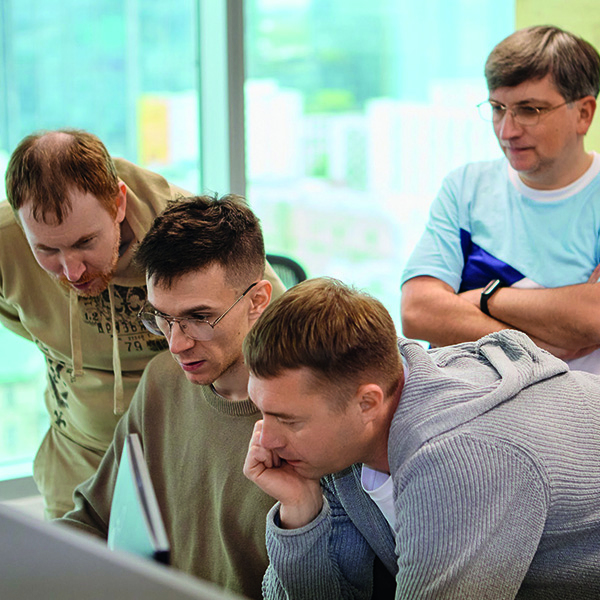

What if AI could help you build something amazing, without writing a single line of code? What if you had just 48 hours to do it? And what if it all took place inside… the Matrix? That was the premise behind Godel’s first internal AI Hackathon, an electrifying three-day event themed around The Matrix and powered by the latest AI tools.
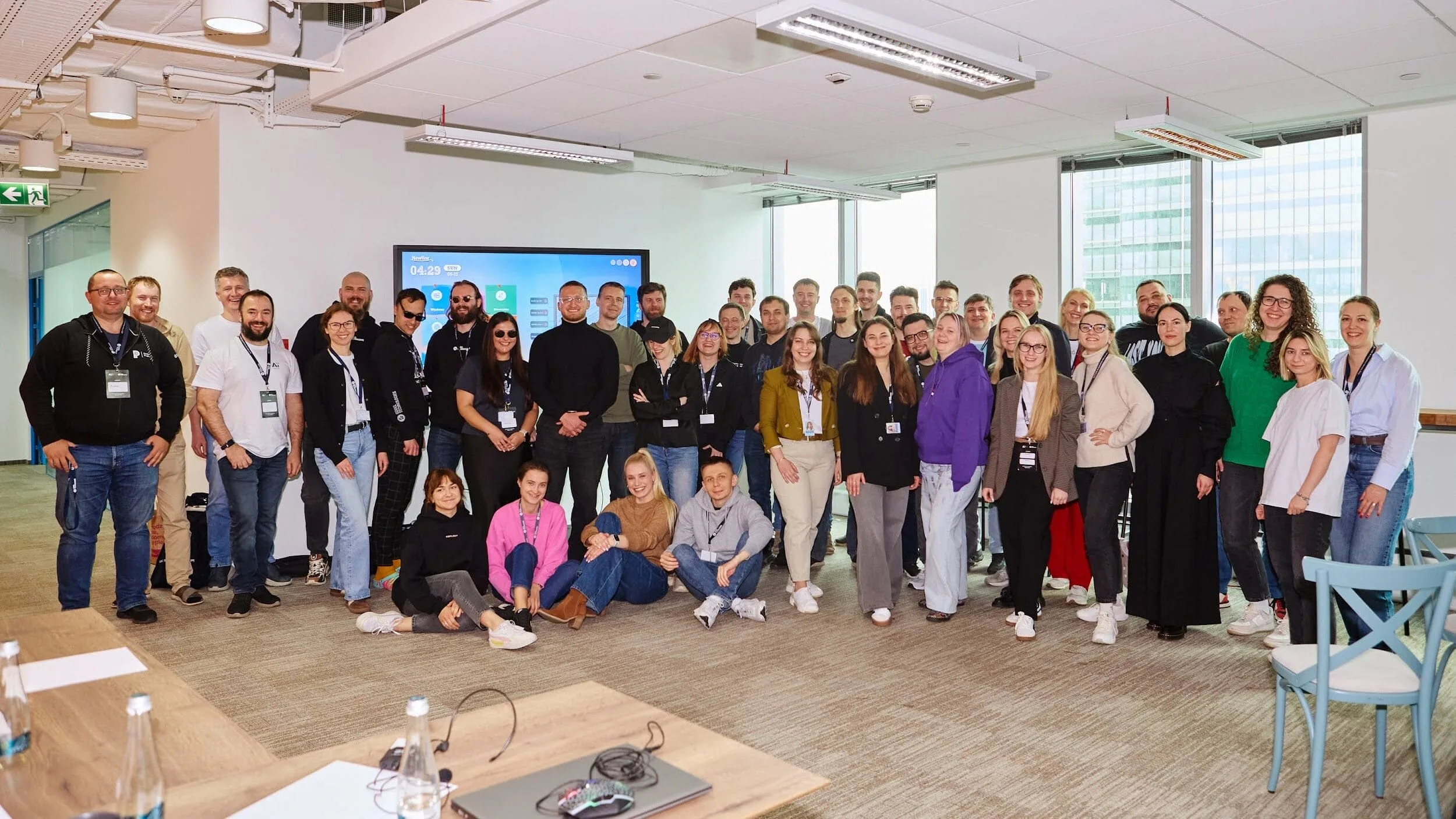
Held in the Warsaw office and open to all divisions, the event brought together 35 participants, who were divided into 5 teams, each assigned a mysterious AI mission to complete. Costumes, sealed envelopes, mentors, and a full deck of AI tools created the perfect conditions for imagination to run wild – let’s find out how it was.
Why The Matrix?
The idea for the AI hackathon had been simmering since winter, originally proposed by Godel’s Chief Technical Officer Victor Nekrasov and developed by a core group of engineers and community leads, including VP AI Engineering Andrei Salanoi, Lead .NET Software Engineer Nadzeya Mernaya, Sr. .NET Software Engineer Raman Samuseu, Sr. Net Software Engineer Artyom Levchenia, and Jn. .NET Software Engineer Katsiaryna Syrneva.
“The Matrix is a universe built on artificial intelligence, simulated realities, and human agency,” said the organising team. “It perfectly parallels the world we’re living in today. AI is no longer science fiction – it’s how we write, test, design, and present. We wanted people to experience that.”
The goal wasn’t to build technically complex solutions, but to show that AI is for everyone. From the start to the finish, every project was to be created using tools like ChatGPT, GitHub Copilot, Cursor, Canva, and more – no direct coding required.
Planning the Simulation
Preparation began in March, with the organising team starting to design challenge scenarios, set judging criteria, and plan the immersive Matrix-themed environment.
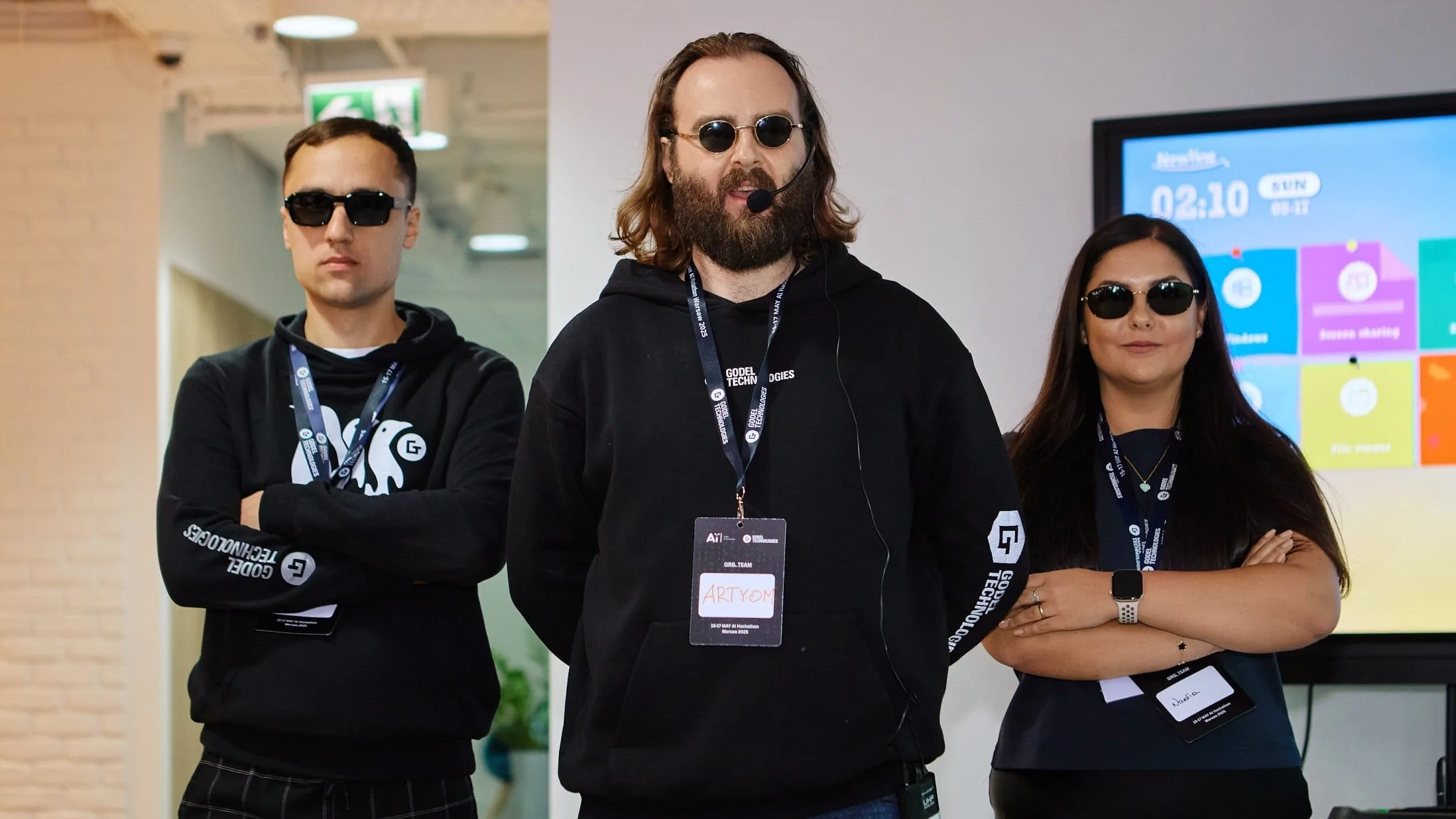
At the event, each team received a sealed envelope with a special AI challenge. Over the next two days, participants explored AI tools, worked on their projects with expert support, and finally presented their creations to the judges. Organisers even showed up at the hackathon in costumes – with one of them, Artyom Levchenia, dressed as Morpheus for all three days in a trench coat and sunglasses.
“We didn’t tell anyone to dress up, but people got into it. By the final day, more participants joined in the fun. It really added to the atmosphere,” said Nadzeya Mernaya.
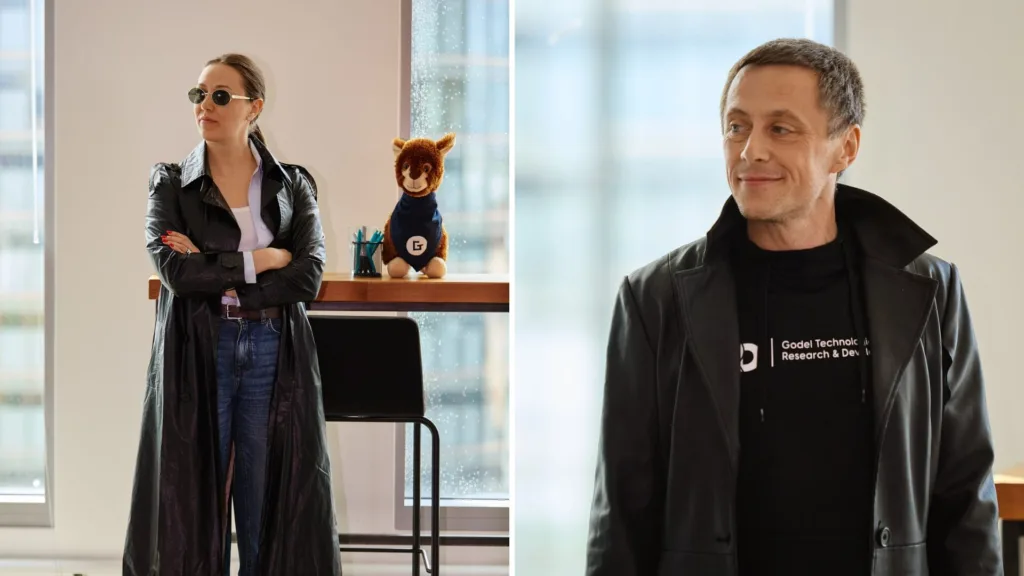
“In general, the energy of these three days was insane. During the time when people were working on solving their tasks, some guys even stayed in the office all night. They literally didn’t leave. That level of commitment was amazing.”
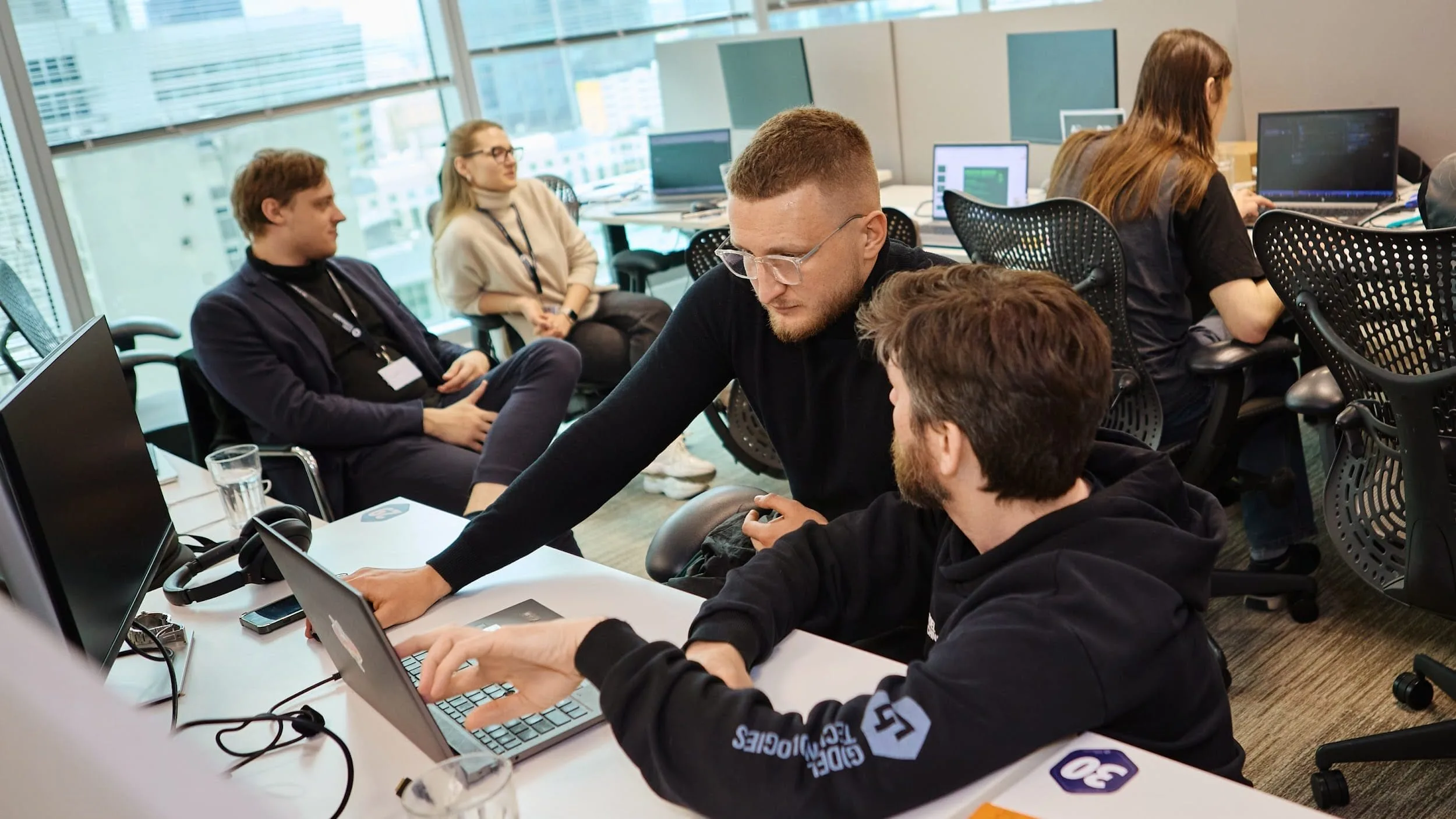
The result was clear: people from all parts of the company realised how AI could enhance their daily work, from development to testing to content creation.
“The tasks were intentionally simple,” the organisers explained. “We weren’t aiming for technical difficulty – just pure creativity. We wanted to show people that with the right AI tools, they can do incredible things without writing a single line of code.”
Meet the Winners: Team sn@tch
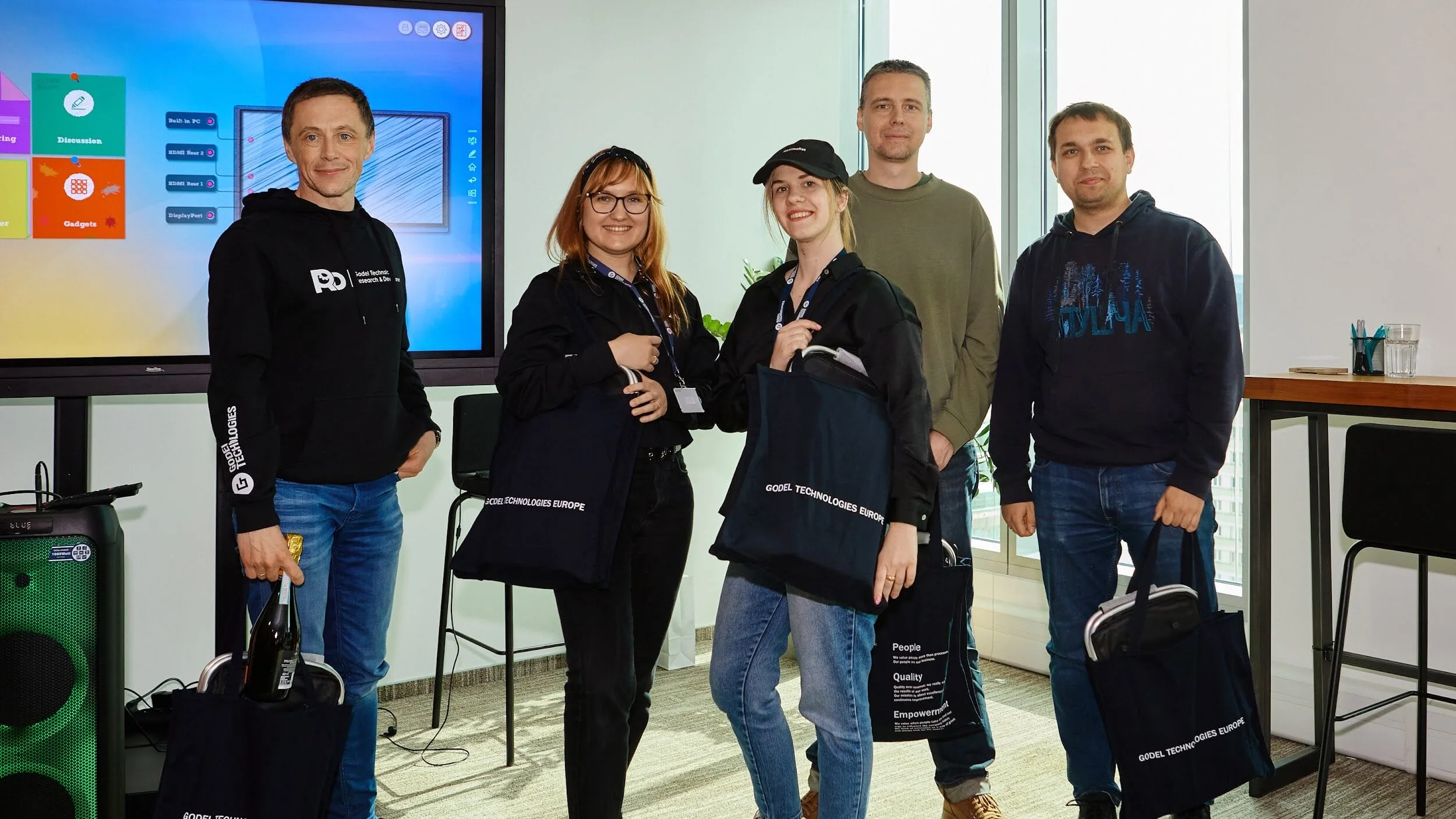
The first AI hackathon’s champion is the team sn@tch, made up of Senior Java Software Engineer Aliaksandr Haurylau, Java Software Engineer Siarhei Sviarkaltsau, Sr. Java Software Engineer Sviatlana Lebiadzko, Java Software Engineer Viktar Kazlou, and Product & Business Analyst Maryia Bychkouskaya. Their mission at the AI Hackathon was to create a podcast system to reach the minds still trapped inside the Matrix, because in this dystopia, written reports are forbidden. The team had to transform text into engaging audio and distribute it on real-world platforms.
“We didn’t want to just complete the task. We created an entire story around it,” said Sviatlana. “We used AI not just to convert text to voice, but to create summaries, cover art, and publish it on Spotify and Apple Podcasts. Our judges could scan a QR code and listen in real time.”
The team used the following tools:
• GitHub Copilot (in Agent Mode) – the core engine.
• ChatGPT & Gemini – for initial prompts and research.
• Canva – for presentation visuals and podcast cover art.
• Google Cloud Platform, Spotify & Apple Podcast tools – to deploy the final product.
“Most of us were from the Java division, so collaboration inside the team was smooth,” said Aliaksandr. “I’ve been working with AI for a while, so I helped guide the team early on. Maryia is from the Product and BA division, and she took the lead on visuals and storytelling – a huge thank you to her for that. We split roles quickly and efficiently.”
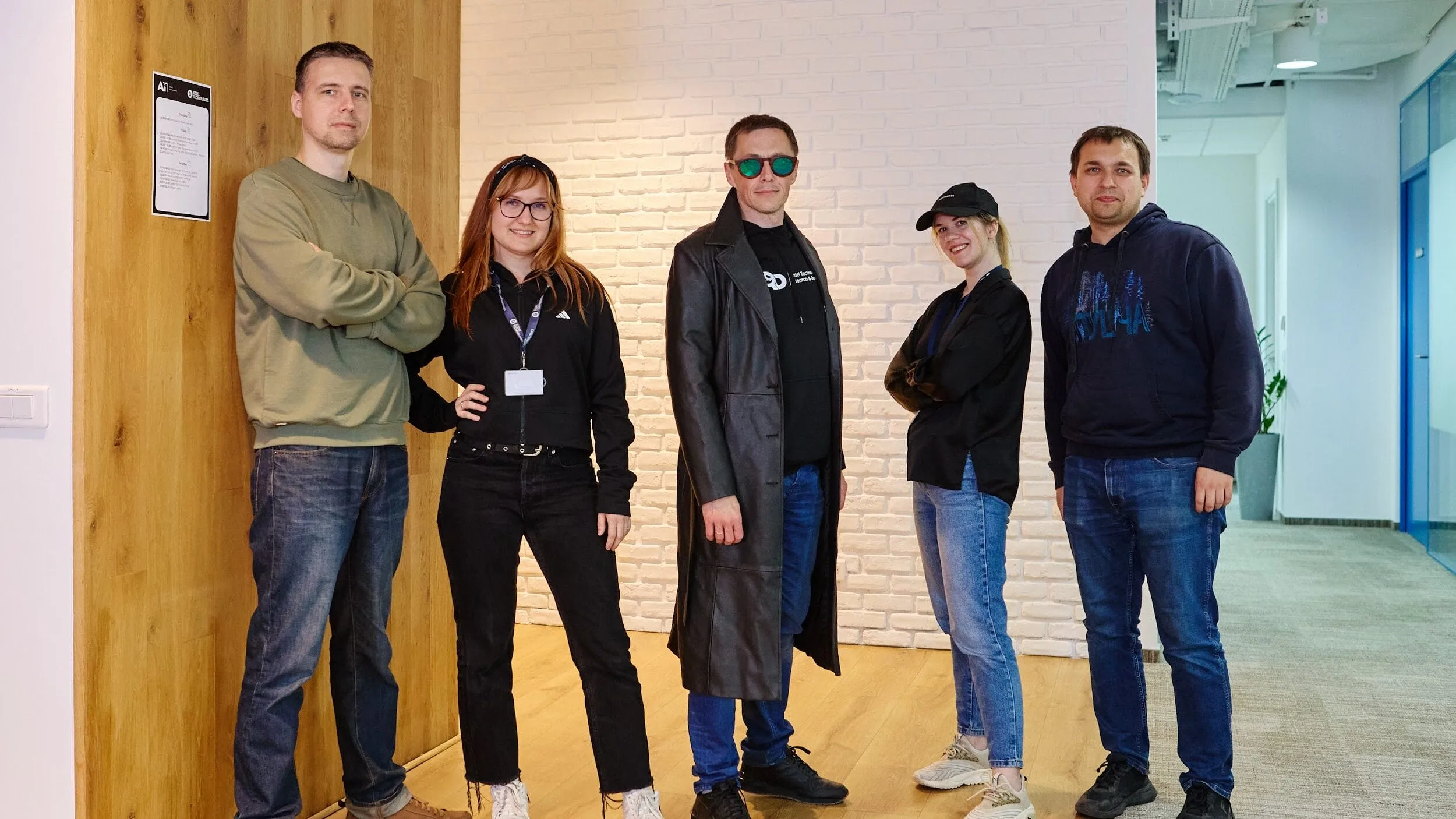
With just 15 minutes of prep before their pitch, Team sn@tch chose to lean into storytelling instead of static explanation. The result? A performance that brought their concept to life, complete with narrative flair.
“It was nerve-wracking, but exciting. We didn’t just demo the tech – we told a story,” said the team. “That’s what made it memorable.”
The team offered this advice to future hackers:
“Don’t overthink it. Just dive in. It’s like reliving those childhood competitions where the world fades out and your only focus is solving the challenge. Don’t be afraid of results, enjoy this moment, enjoy your commitment and work. And also, be brave enough to meet the future – because AI is going to be a part of it.”
Posted 09 Jun 2025


Read more AI Insights
-
 Learn more
 -
Learn more
Accelerating NDM’s test automation by 133%
-
Learn more
Anyone can claim AI expertise. Microsoft validated ours.
-
Learn more
Godel’s Dziyana Applied Data-Driven Thinking to Secure a NeuroGolf Podium Finish
-
Learn more
Putting Agentic Development to the Test
-
Joe Wolski, CTO
Learn moreThe smartest businesses aren’t adopting AI; they’re using it to break the old rules