AI Insights
In the Agentic AI Era, Human Oversight Is the Differentiator
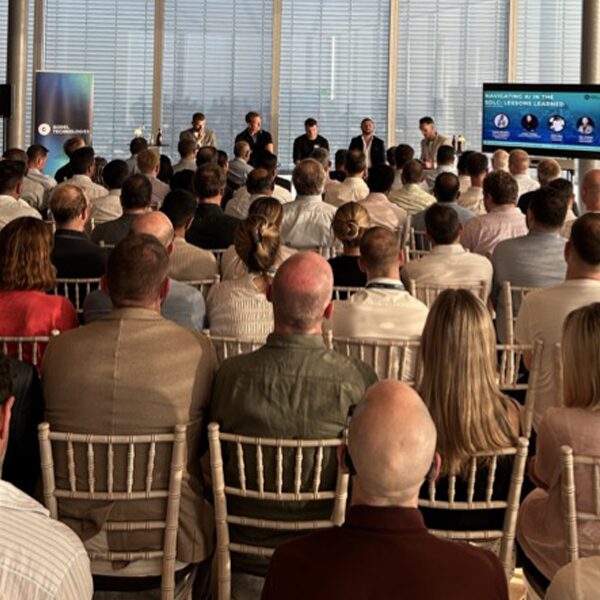

Godel Technologies recently hosted a standout networking event at The Lookout in London, bringing together IT leaders for an evening of meaningful connections, insightful conversation, and engaging panel discussions.
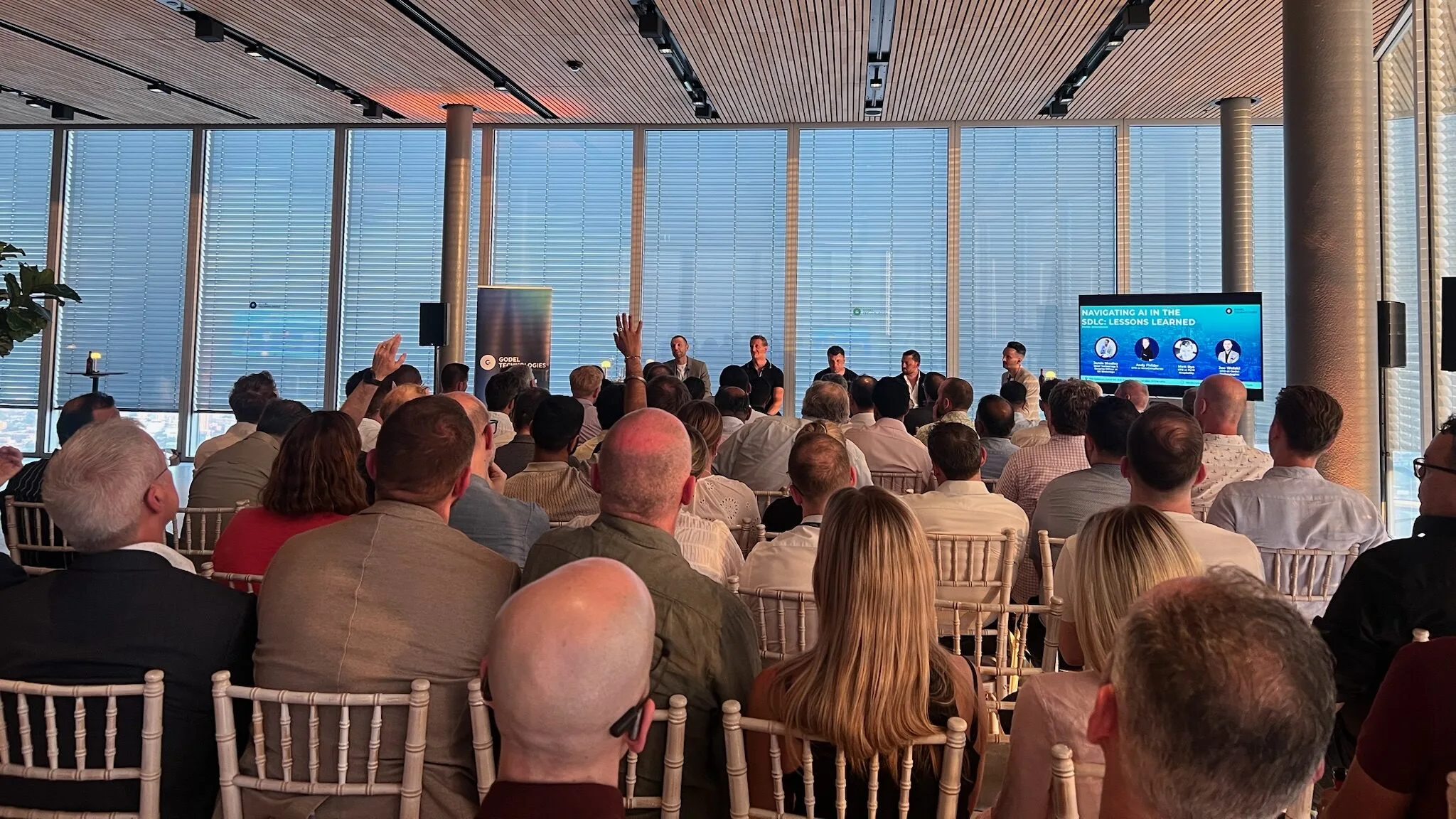
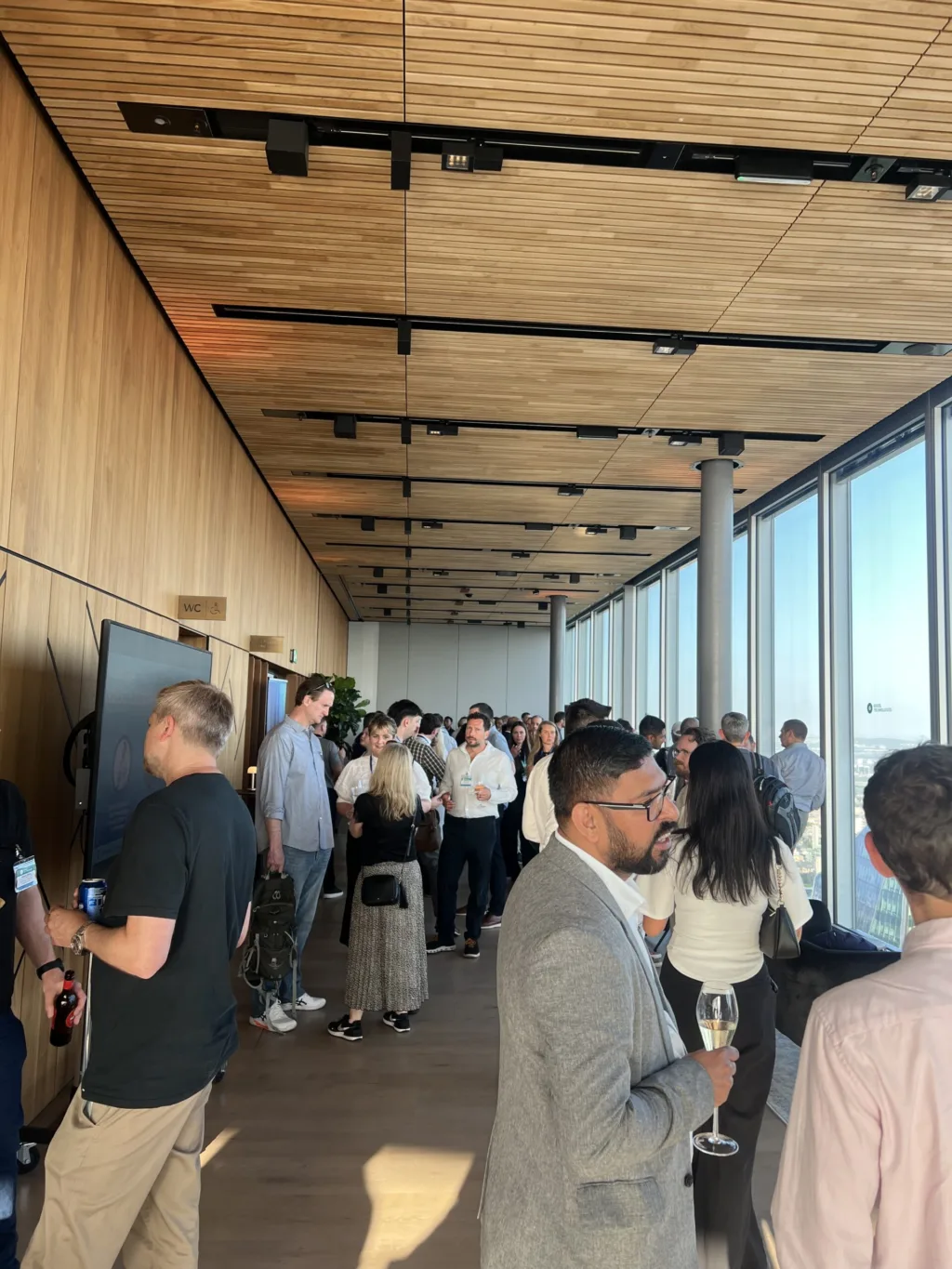
The evening opened with attendees from across London gathering to connect, exchange perspectives and spark new conversations. As the room filled, guests took their seats for a lively panel exploring the evolving role of humans in AI-driven delivery.
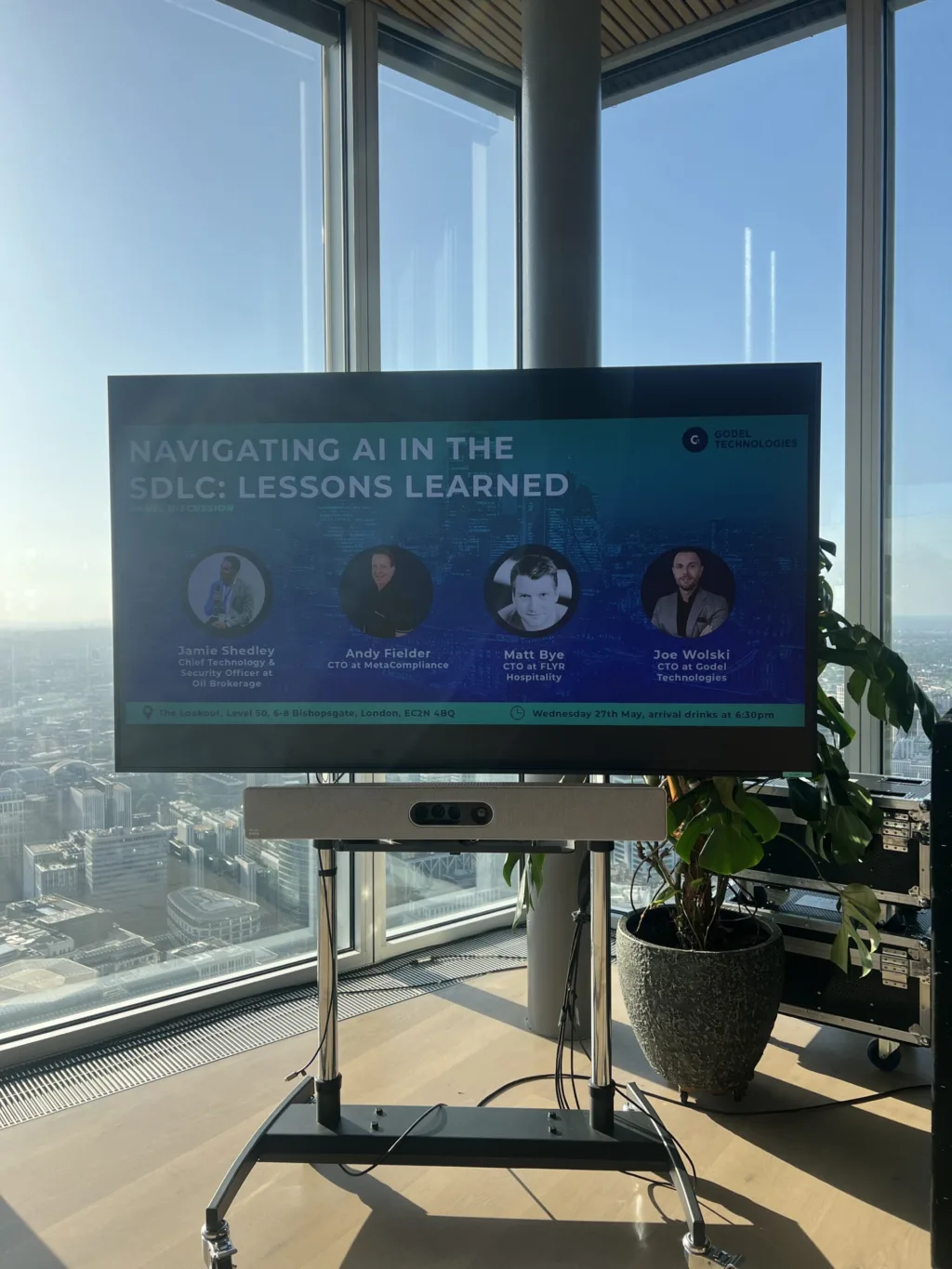
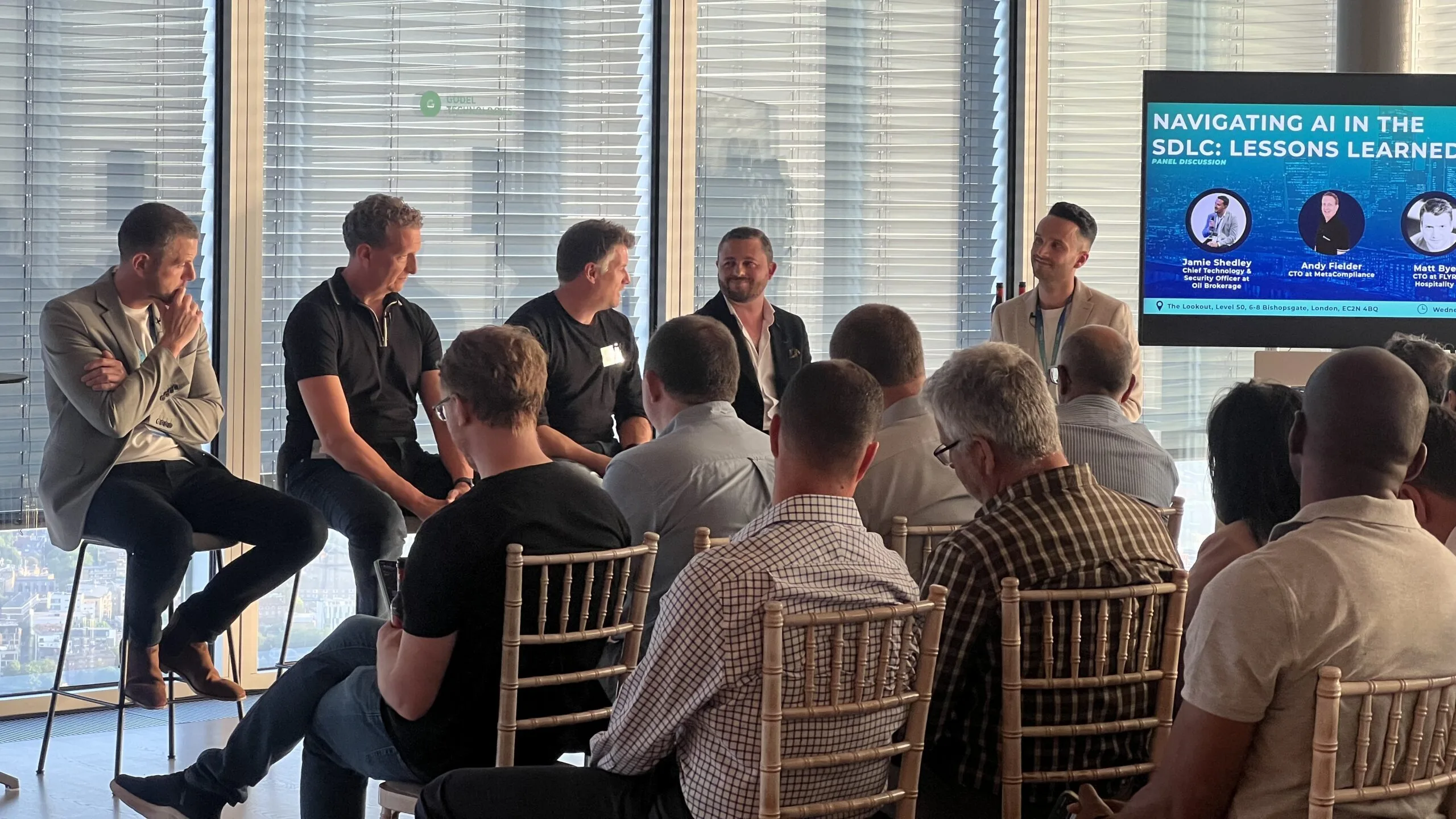
Representing Godel Technologies were Jack Snelling, Chief Sales Officer, and Joe Wolski, Chief Technology Officer, who opened the discussion. On the panel, they were joined by Andy Fielder, CTO at MetaCompliance; Matt Bye, CTO at FLYR Hospitality; and Jamie Shedley, Chief Technology & Security Officer at Oil Brokerage.
The panel moved quickly beyond theory, grounding the conversation in real-world experience. Panellists shared practical insights, challenges and successes, highlighting how AI is already reshaping the technology landscape. From integrating agents into workflows to rethinking how teams work, the discussion focused on what it really takes to adopt AI at scale.
Panellists agreed that while AI is accelerating work, human oversight remains essential, particularly for managing risk, accountability, and quality, and for shifting employees’ roles towards high-value decision-making, validation, and strategic thinking. The discussion highlighted growing trade-offs between speed, cost and quality, with faster, agentic workflows emerging in low-risk scenarios, but strict human testing still critical in regulated environments. AI is also reshaping team structures, enabling smaller, more agile teams while raising challenges around skills, ownership and maintaining technical depth. Overall, as organisations scale AI, they face increasing complexity around cost, governance and performance, with success depending on balancing innovation with strong guardrails and a pragmatic approach to risk.
The panel discussion was very good; I especially liked the range of opinions shared, offering more tactical insights and sometimes disagreeing with other panellists’ views
Get to know the panellists
- Andy Fielder, Chief Technology Officer at MetaCompliance. At MetaCompliance, Andy leads innovation, security, and platform growth. With over 30 years of experience, he has scaled multiple SaaS businesses and brings deep expertise in cybersecurity, cloud, and Agile delivery. At MetaCompliance, he focuses on strengthening security awareness solutions and driving continued growth through innovation.
- Jamie Shedley, Chief Technology & Security Officer at Oil Brokerage. Jamie leads technology strategy, security, and platform delivery in regulated, data-driven environments. He specialises in AI-driven solutions, cloud architecture, and automation, with a strong focus on scalability, resilience, and translating technology into measurable business outcomes.
- Matt Bye, Chief Technology Officer at FLYR Hospitality. Matt has over 25 years’ experience in tech, working across organisations from startups to global enterprises. Now at FLYR Hospitality, he focuses on using AI in the development lifecycle to accelerate delivery and better align technology with business strategy.
Key Takeaways from the panel event
- The real challenge is trust, not capability. The technology can already generate and ship code at speed; the barrier is building confidence in outputs, knowing when to step in, and deciding where human oversight is still needed.
- Speed vs quality is now a conscious trade-off. Teams are actively deciding where they can move fast with lighter oversight, and where rigorous testing and validation are non-negotiable, particularly in regulated or high-risk environments.
- AI is reshaping team structures. Smaller, more agile teams supported by agentic workflows are emerging, with fewer people but broader responsibilities.
- Accountability still sits with humans. Even with AI-generated outputs, teams and leaders remain responsible for what goes into production, especially when things go wrong.
- Scaling AI introduces new operational challenges. Cost management (e.g. token usage), model selection, orchestration, and performance monitoring are becoming key areas of focus.
- Expectations are outpacing reality. There’s significant pressure from leadership to “go 10x faster,” but real-world gains are more nuanced and require careful implementation.
- The future of work will look very different. The panel agreed that we’re not just speeding up today’s processes, we’re moving towards fundamentally new ways of building, maintaining, and delivering technology.
Posted 08 Jun 2026


Read more AI Insights
-
 Learn more
 -
Learn more
Godel’s Dziyana Applied Data-Driven Thinking to Secure a NeuroGolf Podium Finish
-
Learn more
Putting Agentic Development to the Test
-
Joe Wolski, CTO
Learn moreThe smartest businesses aren’t adopting AI; they’re using it to break the old rules
-
Learn more
How Godel Turned an AI Hackathon Into a Cyberpunk Story
-
 Learn more
Instem Breaks Through Legacy Modernisation Barriers with Agentic AI